The Brazilian cut: how a beach in Rio named a pair of briefs
A tiny bikini on a Rio beach, a designer in Los Angeles and a word that ended up on lingerie labels across Europe. What we know about the Brazilian cut — and what is only a good story.
In this story · 01 Rio, the early 1970s: the tanga
01Rio, the early 1970s: the tanga

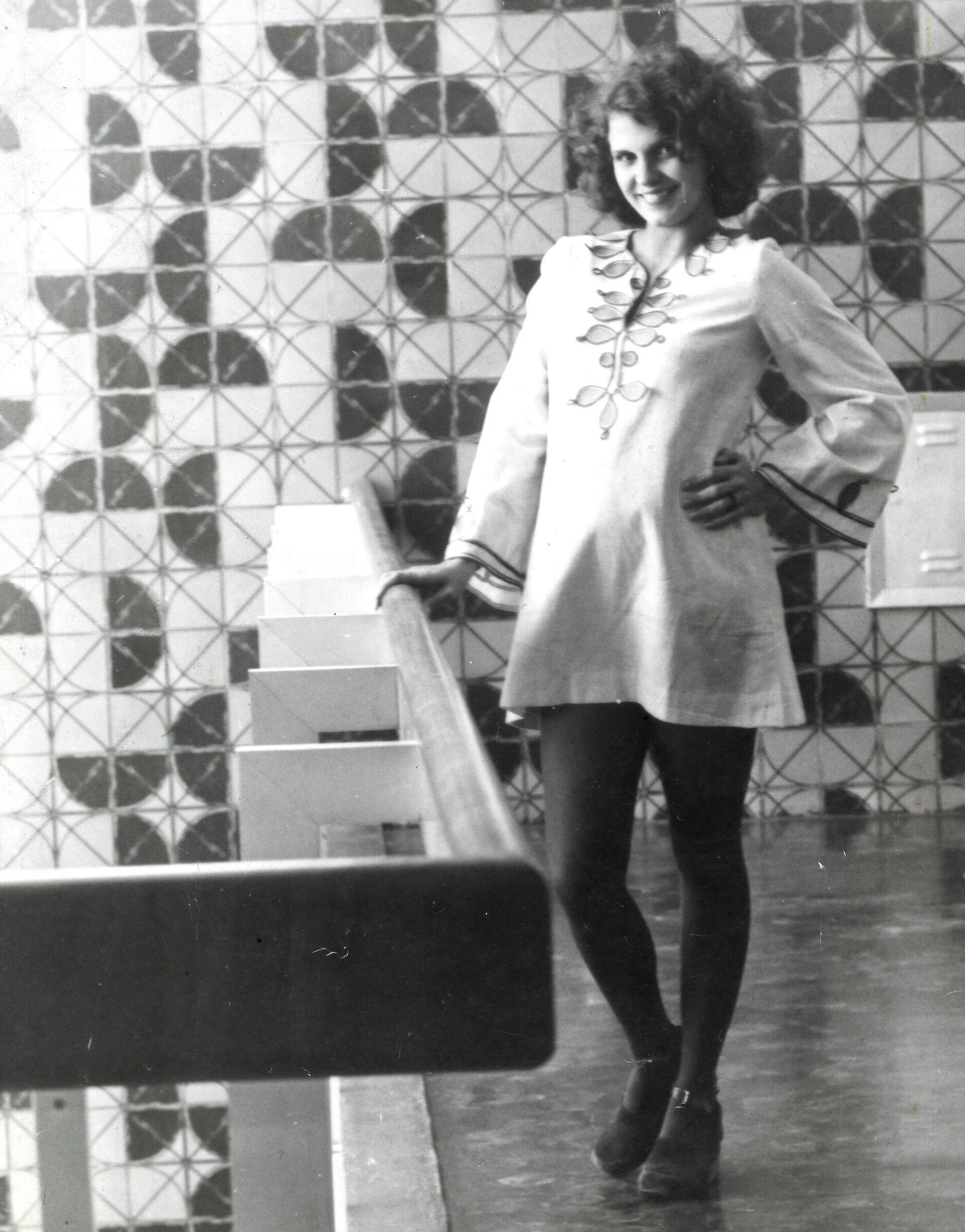
Brazil lived under a military government from 1964 to 1985, and the beaches of Rio were one of the few places where the rules felt looser. In 1971 the actress Leila Diniz was photographed six months pregnant in a bikini on Ipanema — a picture that shocked the country and is still remembered as a moment of freedom.
A few summers later the bikini on those beaches had shrunk. In July 1974 TIME described a new suit from Rio — two small triangles and a cord — and called it "the String (Tanga in Brazil)". The word tanga is Portuguese for a small cloth; in Brazil the thong itself is called fio dental, "dental floss".
Who made the first one? Nobody can prove it. The model Rose di Primo is often called its inventor and has told how she cut her own; the designer Zilda Costa is said to have rolled down the sides of her bikini on a hot day. These are stories Ipanema tells about itself — lovely, and unconfirmed. What is documented is that by 1974 the tanga was already sold in Italy and at Bloomingdale's in New York, for several times its price in Rio.
02Meanwhile in Los Angeles: Rudi Gernreich
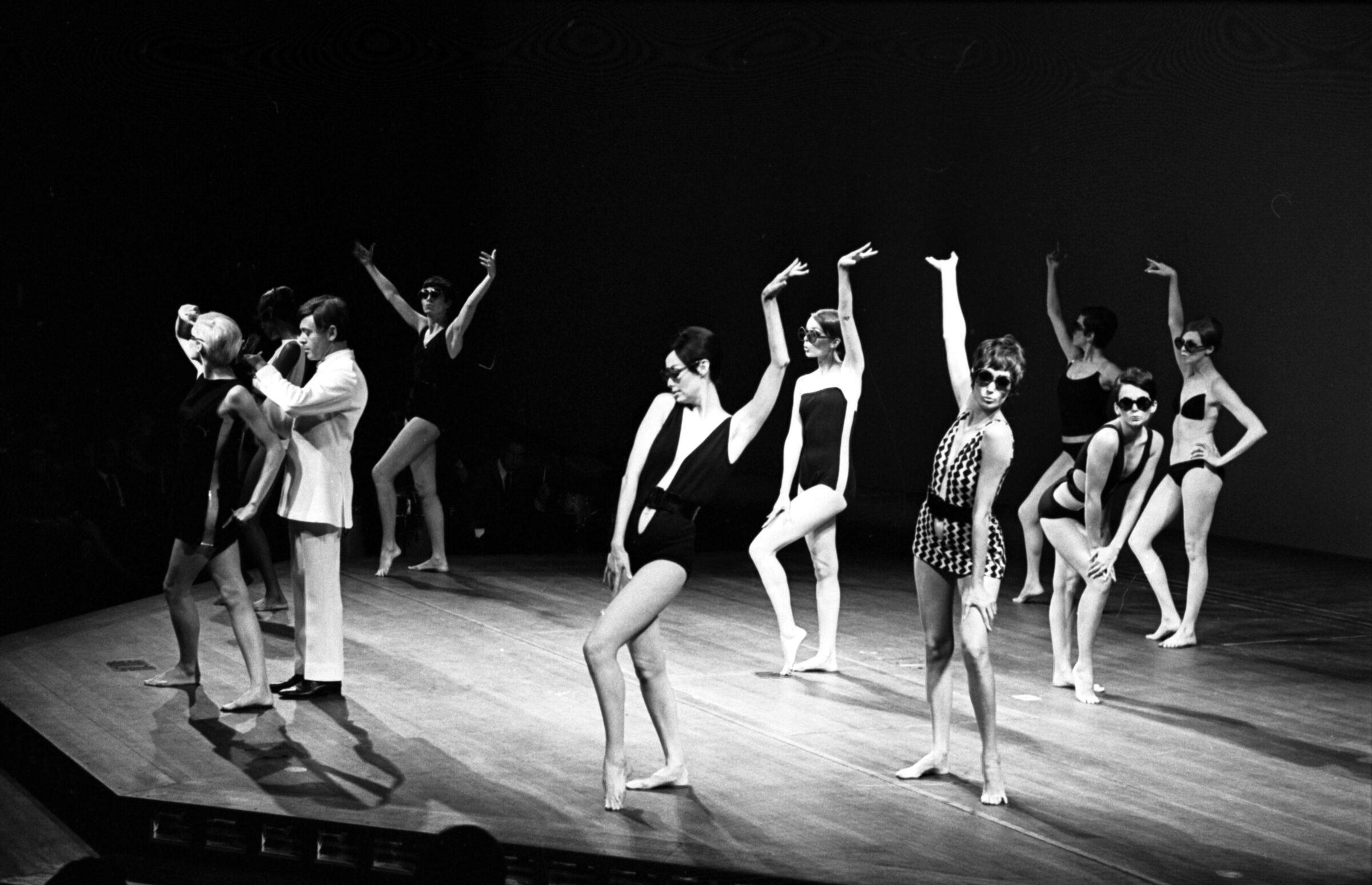
Rudi Gernreich, a Vienna-born designer working in Los Angeles, had already caused an uproar with his topless "monokini" in 1964. In the summer of 1974 Los Angeles banned nude public swimming, and Gernreich answered with a swimsuit he called The Thong — as much skin as the law allowed. The V&A and The Met both keep one.
He said he was thinking of small loincloths worn at Vienna's pools and of the sumo wrestler's belt. From 1975 his Thong was also made as women's underwear by Lily of France; the V&A holds a pair from 1978, in a colour called "golden nude".
So who came first? Even the Smithsonian's own record for the Thong says such suits were on Rio's beaches before. Rio wore it first; Gernreich gave it a name and a market in America.
03From fio dental to "Brazilian"
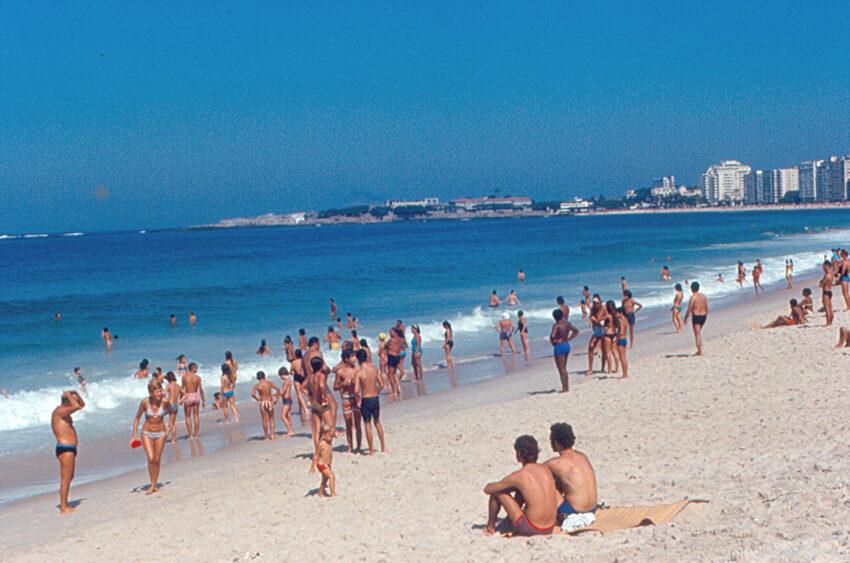
In the 1980s Ipanema went higher and smaller still: the asa-delta, with legs cut up to the hip, and then the true fio dental. The shop Bumbum, opened in Ipanema in 1979, says it launched both — that is the brand's own account.
Somewhere on the way to Europe, the name of the country stuck to a cut. The first use of "Brazilian briefs" on a clothing label is difficult to date. Today, Brazilian is a familiar name for the cut, used by retailers from Marks & Spencer to Intimissimi.
And it means something different from the beach that gave it the name. In lingerie, a Brazilian sits between a brief and a thong: a high leg, narrow sides and about half covered at the back. The thong is the fio dental. Brands still mix the words — look at the back, not the label. Our four cuts guide shows the difference.
A cut made for heat, sun and walking down to the water without thinking about it. That part of the story hasn't changed.
04 Questions
Is a Brazilian the same as a thong?
No. A Brazilian covers about half at the back, with narrow sides and a high leg; a thong is a narrow strip. In Brazil the thong is called fio dental.
Did Rudi Gernreich invent the thong?
He designed and named "The Thong" in 1974 and brought it to the American market. Tangas and thongs were already worn on Rio's beaches earlier in the 1970s.
Who invented the tanga?
Nobody can prove it. Rio has several stories — the model Rose di Primo, the designer Zilda Costa — but none is documented.
One story like this, with every new issue.
- TIME — Modern Living: The String Look (1 July 1974)
- V&A — The thong (article)
- V&A — Panty thong "The Thong", Lily of France, 1978
- The Met — Rudi Gernreich, "The Thong", 1974
- Smithsonian NMAH — "Thong" by Rudi Gernreich
- FIT Fashion History — Rudi Gernreich (1922–1985)
- Slate — How the bikini came to America
- Wikipedia (pt) — Photograph of the pregnant Leila Diniz (1971)
- Teoria do Design — A calcinha tanga e a revolução sexual (M. S. França, 2022)
- Heloisa Tolipan — 40 years of Bumbum Ipanema